Partial Hospitalization Program (PHP)
A more structured weekly schedule with more time dedicated to treatment.
Outpatient rehab in West Los Angeles for drugs, alcohol, and mental health. Day or evening PHP and IOP, so you can keep your job and live at home.

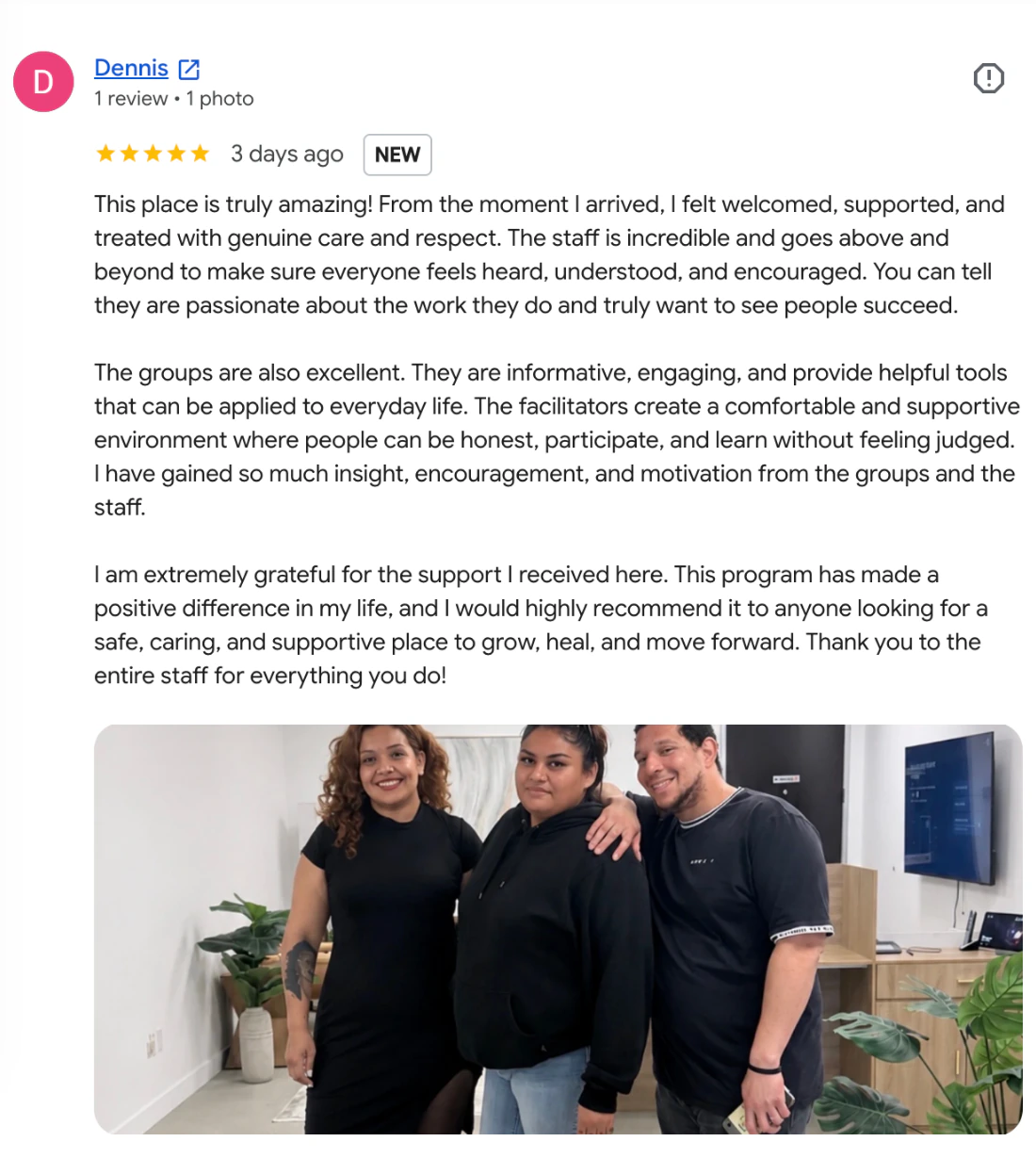
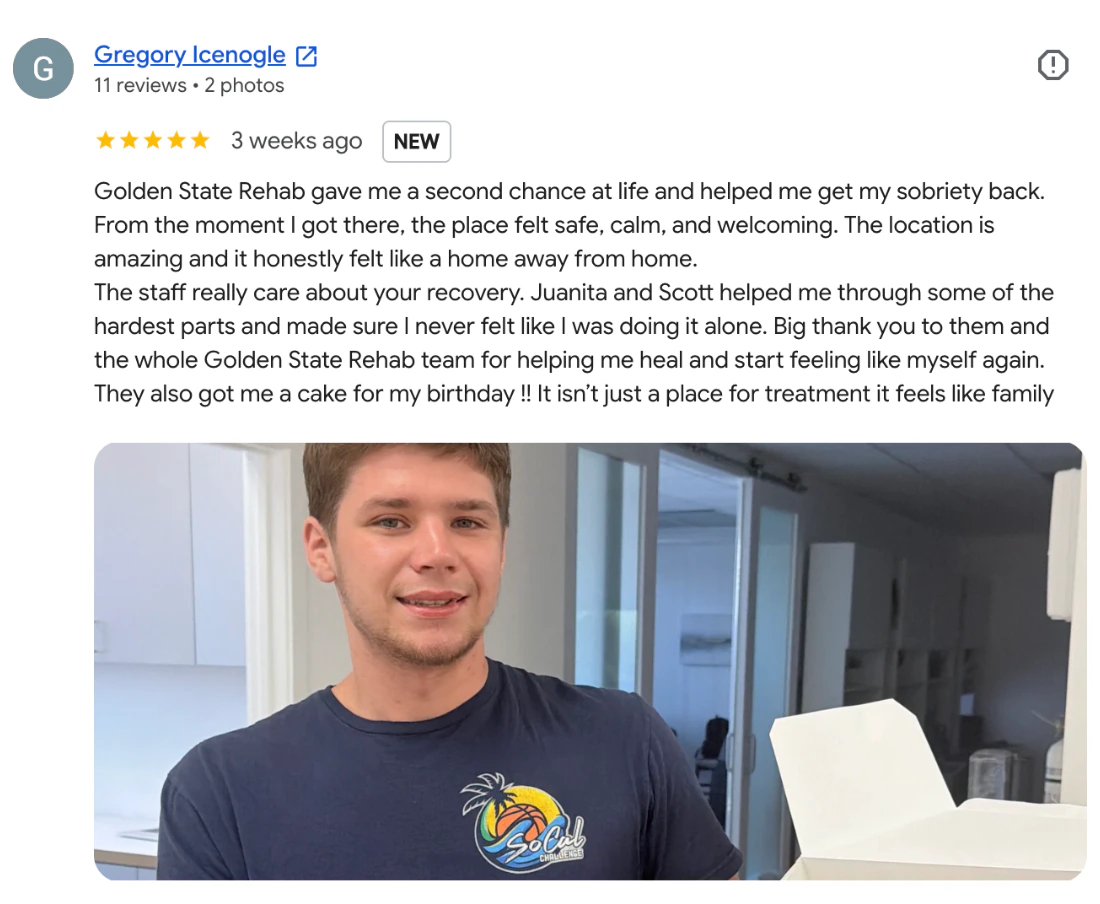
All 6 reviews
Aetna is one of the plans we work with. We'll verify your exact benefits for free, with no commitment.
Verify My BenefitsDon't see your provider? We work with most major PPO plans. Check yours free.
Insurance logos are shown to help you identify your plan and are trademarks of their respective owners; they do not imply endorsement. Coverage varies by plan, and verification is free and confidential.
A more structured weekly schedule with more time dedicated to treatment.
A more flexible weekly schedule with fewer treatment hours.
Evidence-based therapy and anti-craving medication. You don’t need a rock bottom to qualify.
Depression, anxiety, and trauma, treated by master’s-level clinicians and a board-certified psychiatrist.
When addiction and a mental health condition feed each other, both are treated together, not one after the other.
Also at our rehabilitation center: Evening IOP · Virtual IOP · Telehealth Rehab · Outpatient Drug Rehab · Psychiatric Care · Alcoholism Treatment
Not sure if your plan covers treatment for this?
Verify My InsuranceA calm, private outpatient space in West Los Angeles, designed so you can settle in and focus on your recovery.
 Reception & Lobby
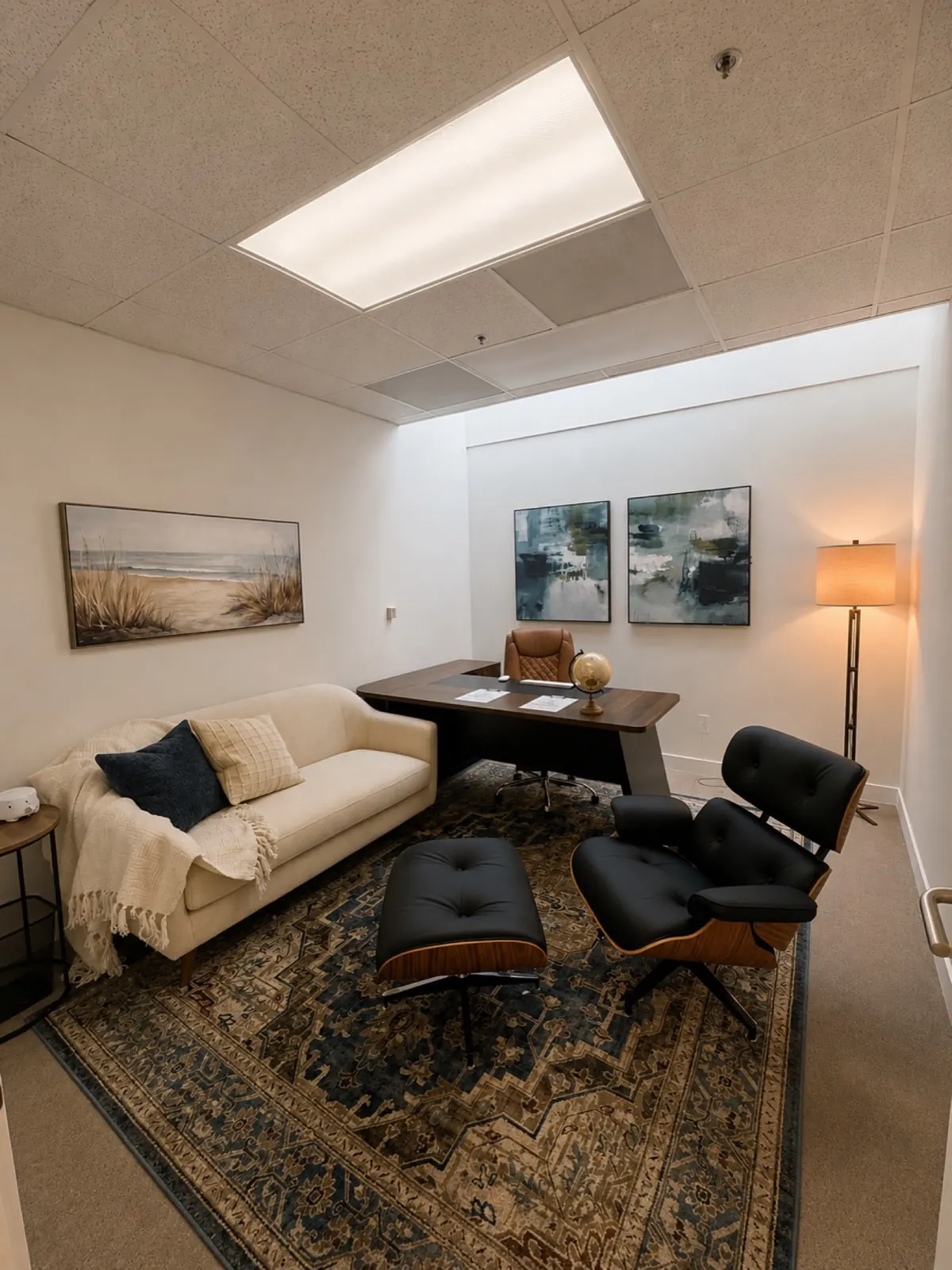 Private Therapy Rooms
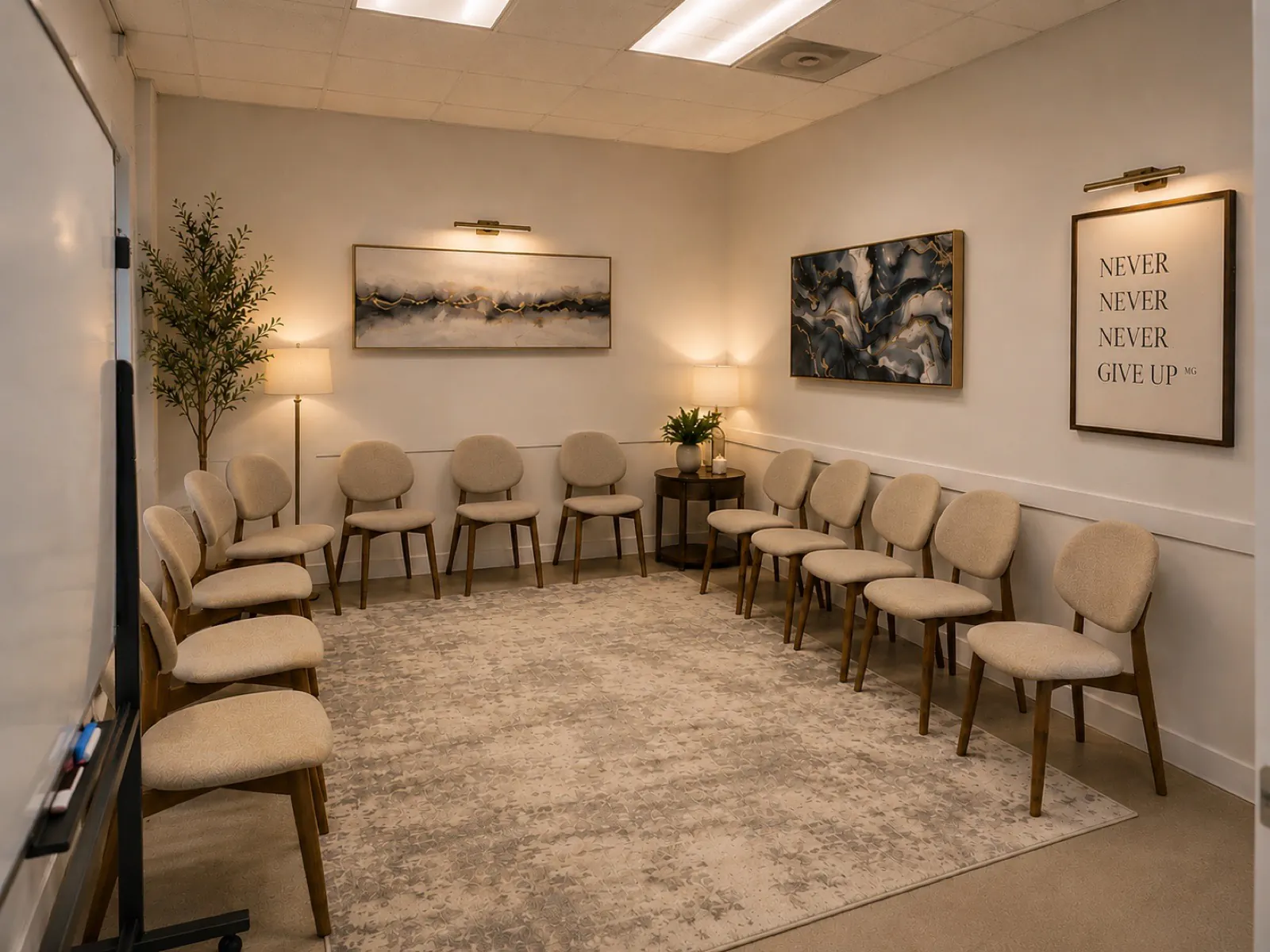 Group Therapy Room
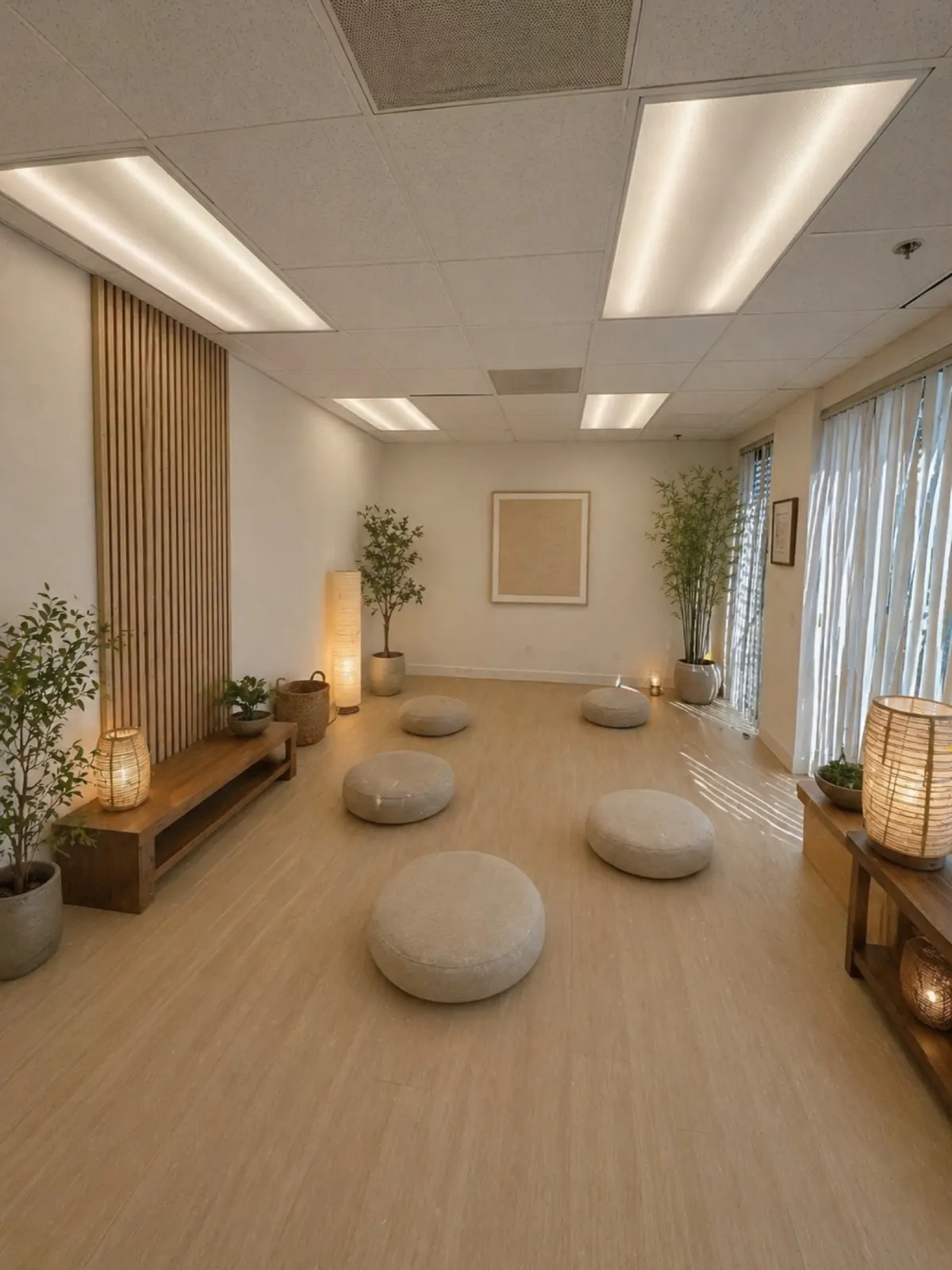 Meditation & Yoga Space
 Reading Lounge

Recovery doesn’t end at discharge. You leave here with people in your corner.
Care at our private West Los Angeles center is led by Dr. Eric Chaghouri, MD, a board-certified psychiatrist, with morning and evening tracks built around your life.
You work directly with licensed therapists, psychiatrists, and certified addiction specialists, under the direction of Medical Director Dr. Eric Chaghouri, MD, who earned his M.D. at the Keck School of Medicine at USC. Care starts with a full clinical assessment, and the plan that comes out of it draws on CBT, DBT, EMDR, and medication-assisted treatment, shaped around your diagnosis, your goals, and your day-to-day life. The same clinicians stay with you from your first call through aftercare.
A partial hospitalization program (PHP), an intensive outpatient program, telehealth, and individual therapy, scheduled so treatment fits around a job, not instead of one. You live at home and stay in your own community the whole time; see how outpatient drug rehab in Los Angeles works.
We hold California DHCS License #191643AP and accreditation from The Joint Commission, both public records you can look up. We work with most major PPO plans, including Aetna, Anthem, Cigna, Blue Cross Blue Shield, and United Healthcare. See how insurance coverage for rehab in Los Angeles works, or have us check your benefits for free. Our intake team answers day or night, with same-day assessments whenever possible.

Young adults balancing recovery with school, first jobs, and real life.
Working professionals who need serious treatment that starts after the workday ends.
People in early recovery who need more structure than weekly therapy.
People carrying both a mental health condition and substance use.
People stepping down from residential care who need a bridge to independence.
Spanish speakers who want Spanish-speaking treatment from bilingual clinicians, in person or by telehealth.
Free. Confidential. Fast.
Verify My InsuranceStarting treatment is simpler than most people expect. We handle the logistics so you can focus on the work that matters. See how admissions and same-week intake work.
Call us or fill in the intake form, and we set up your assessment.
You sit down with an intake specialist for a clinical interview. We listen to your history, get clear on what you need, and go through your options together.
We explain exactly what your plan covers, at no cost and before you commit to anything.
You meet your therapist, join your first group, and begin the real work alongside people who understand what you're facing. And recovery doesn't end at discharge. You stay part of our alumni community long after.
Start with step 1.
Verify My InsuranceIt depends on your level of care and what your plan covers. Most people here use insurance, and we check your benefits for free before you commit to anything, so you know your out-of-pocket number in advance. The levels price differently: PHP is the most intensive and costs the most per week, IOP is less because you're here fewer hours, and standard outpatient less again. If you want the numbers first, ask on the call and we'll break down what each level runs in Los Angeles, both with coverage and without it.
Usually yes, at least in part. California's SB 855 and the federal parity law require most plans to cover addiction and mental health care the way they cover other medical conditions. We work with most major PPO plans. What your plan actually pays depends on your level of care, whether you've met your deductible, and how your specific policy is written, and a denial isn't the end of it. Plans have an appeals process, and parity law gives you real grounds to push back. Or verify your insurance and we'll make the calls for you.
Most of our clients do. IOP meets a few hours a day, several days a week, with morning and evening options, plus telehealth for the weeks when getting to Westwood isn't realistic. If you do need time away from work, FMLA can protect your job for up to 12 weeks at employers it covers, and the ADA generally protects people who are in treatment from being fired for it. In most cases your employer only needs to know you're under a provider's care, not the details of why.
PHP typically runs 4–6 weeks and IOP 8–12 weeks, though many people step down through levels of care rather than stopping after one. Your timeline gets set with your clinical team, not by a calendar. The research is consistent on one point: outcomes get better the longer someone stays engaged in treatment, and stepping down gradually, from PHP to IOP to outpatient to alumni support, holds up better than stopping the week you first feel steady.
Day one is an intake conversation, not an interrogation. Groups start early in the week, your first individual session usually lands midweek, and you meet with psychiatry by the end of it. By the end of that first week you'll have a treatment plan you helped write, a therapist you've actually sat with, and a schedule for the weeks ahead, so nothing about the day-to-day comes as a surprise.
That's one of the most common things we hear, and it's rarely a reason to wait. Plenty of people who need help are still holding down a job and a family. Functioning and struggling at the same time is the norm, not the exception, and it's usually what keeps people putting off the call for years. The signs that matter are quieter than people expect: needing more to get the same effect, promising yourself you'll cut back and not managing it, planning your day around it. A confidential assessment costs you nothing and doesn't obligate you to anything.
Ask us, then check for yourself. We're licensed by the California Department of Health Care Services (Lic. #191643AP), and that license is verifiable in the state's public database. Ask any program you're considering for its license number, who owns it, who your therapist will be and what their credentials are, and what happens if you need a higher level of care than they offer. And be skeptical of any success rate you're quoted, because nobody measures it the same way, so the number is marketing, not data.